
Updated Checked by the Tax-Services.ca editorial team How we check
As of November 16, 2026, Mark Carney is Prime Minister, François-Philippe Champagne is Minister of Finance and National Revenue, and Heather Evans is Commissioner of the Canada Revenue Agency. Parliament passes tax law, the CRA administers it, and the Tax Court of Canada hears appeals. Every name below links to the official page where we read it.
Tax-Services.ca is an independent information site. It is not affiliated with any government body or person listed on this page. The people named here are public officeholders. None of them writes, reviews or endorses this site, and we do not speak for them.
Who signs tax bills into law and who leads the government?
The Governor General gives royal assent, and the Prime Minister leads the government that writes the budget. Neither office sets a tax rate alone. A rate changes only when Parliament passes a bill and that bill receives royal assent.
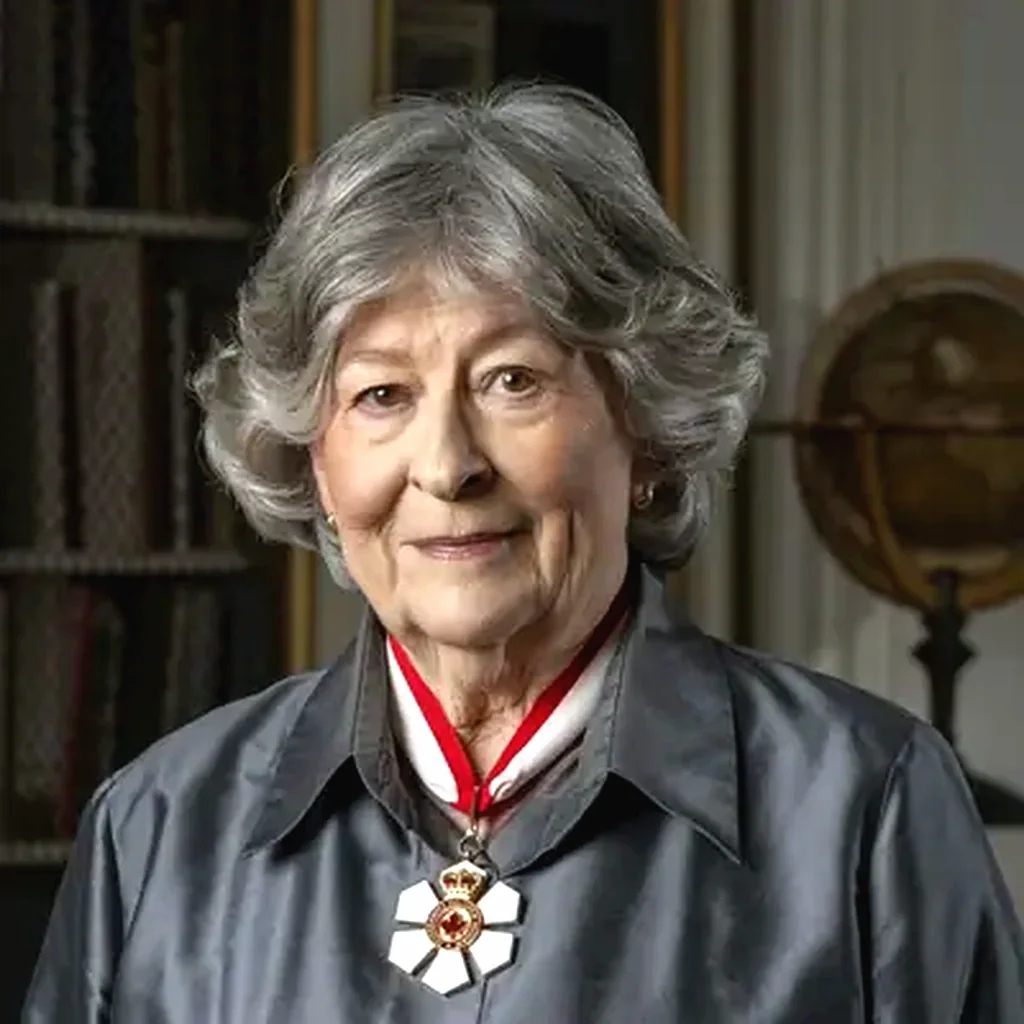
Governor General of Canada
Louise Arbour
In office since June 8, 2026
The Governor General grants royal assent to acts of Parliament, swears in the Prime Minister and ministers, and summons and dissolves Parliament. A tax bill that has passed the House of Commons and the Senate becomes law only at the moment of royal assent.
Louise Arbour was sworn in as the 31st Governor General of Canada on June 8, 2026. Born in Montréal, she earned her law degree at the Université de Montréal, was called to the Quebec Bar in 1971 and the Ontario Bar in 1977, and taught at Osgoode Hall Law School before turning to the bench. She sat on the Court of Appeal for Ontario, served as chief prosecutor of the international criminal tribunals for the former Yugoslavia and Rwanda, joined the Supreme Court of Canada in 1999 and later became the UN high commissioner for human rights.
For anyone following tax news, her office supplies the last step: a budget bill passed by both houses becomes law once the Governor General grants royal assent.
Prime Minister of Canada
Mark Carney
In office since March 14, 2025
The Prime Minister leads the government, picks the ministers and sets the priorities in mandate letters. Those priorities reach taxpayers through the federal budget and the tax bills that the Minister of Finance and National Revenue brings to Parliament.
Mark Carney took the oath as Canada's 24th Prime Minister at Rideau Hall on March 14, 2025, in a ceremony presided over by then Governor General Mary Simon, alongside the 30th Canadian Ministry. On May 13, 2025 he announced a new Ministry, and eight days later he sent its members a mandate letter. That letter lists lower costs for Canadians, more affordable housing and spending less on government operations among its priorities, and says public money should draw several times as much private investment. It does not name specific tax changes, so the detail arrives in the federal budget and the finance minister's tax bills rather than in the letter itself.
A card shows the date the holder took the office only when an official page or announcement gives it. The small line under each portrait names the page the photo came from, and the copyright stays with the publisher.
Which federal ministers decide tax policy?
Tax policy belongs to the Minister of Finance and National Revenue. The portfolio now covers both the Department of Finance, which writes tax law, and the Canada Revenue Agency, which applies it. Other ministers run programs that show up on a pay stub or a return, such as Employment Insurance and Canada Pension Plan benefits.

Minister of Finance and National Revenue
François-Philippe Champagne
In office since May 13, 2025
The Minister of Finance and National Revenue presents the federal budget, proposes tax rates and credits, and tables the notices of ways and means motions and bills that amend tax law. The same minister answers to Parliament for the Canada Revenue Agency.
François-Philippe Champagne has sat in the House of Commons for Saint-Maurice-Champlain since 2015. His first federal post was Parliamentary Secretary to the Minister of Finance, which he held until 2017. After that he ran International Trade, Infrastructure and Communities, Foreign Affairs, and from 2021 to 2025 Innovation, Science and Industry. He was sworn in as Minister of Finance on March 14, 2025, and the Ministry announced on May 13, 2025 gave him the title Minister of Finance and National Revenue, which also puts the CRA under his name. Finance Canada's home page currently leads with Budget 2026, the document where rate and credit changes are first announced.

Secretary of State (Canada Revenue Agency and Financial Institutions)
Wayne Long
In office since May 13, 2025
A Secretary of State takes on files assigned by the Prime Minister and works under a senior minister. In this case he assists the Minister of Finance and National Revenue on matters concerning the Canada Revenue Agency and financial institutions.
Wayne Long is the member for Saint John-Kennebecasis in New Brunswick and was first elected in 2015. Before joining the government he served on House committees that included Human Resources, Skills and Social Development, Canadian Heritage, and Access to Information, Privacy and Ethics. The Prime Minister's May 13, 2025 announcement named him Secretary of State for the Canada Revenue Agency and Financial Institutions, a post that supports the finance minister rather than running a department of its own. Finance Canada has listed him at public events on affordability measures and business investment incentives, so his name tends to turn up in announcements about tax measures.
President of the Treasury Board
Shafqat Ali
In office since May 13, 2025
The President of the Treasury Board oversees how federal departments spend and manage money and tables the spending estimates in Parliament. Tax rates and credits stay with the Minister of Finance and National Revenue.
Shafqat Ali represents Brampton-Chinguacousy Park in the House of Commons. The Prime Minister's announcement of May 13, 2025 named him President of the Treasury Board, and the Cabinet page still lists him there. His portfolio sits next to finance but is separate from it. Where the Minister of Finance decides what the government raises in taxes, the Treasury Board looks at how departments spend and manage what they receive. The mandate letter of May 21, 2025 gave this work a clear direction, since one of its priorities is spending less on government operations. Readers who follow federal budgets will see his name when the spending estimates are tabled.

Minister of Jobs and Families
Patty Hajdu
In office since May 13, 2025
The Minister of Jobs and Families leads the portfolio behind Employment Insurance, Canada Pension Plan benefits and Old Age Security. These sit beside the tax system on a pay stub and on a tax return, even though the CRA does not set them.
Patty Hajdu sits for Thunder Bay-Superior North. When the 30th Ministry was sworn in on March 14, 2025 she was Minister of Indigenous Services. The reshuffled Ministry of May 13, 2025 moved her to Jobs and Families, with added responsibility for the Federal Economic Development Agency for Northern Ontario. For a taxpayer the portfolio matters because the programs it covers, which include Employment Insurance and public pensions, show up in the same payroll deductions and on the same return as income tax. Changes to those programs are usually announced separately from the tax measures in the budget, so it is worth checking both.
Minister of Housing and Infrastructure
Gregor Robertson
In office since May 13, 2025
The Minister of Housing and Infrastructure runs federal housing programs and infrastructure funding. Housing tax measures, such as GST rebates on new homes, still pass through the Department of Finance and a tax bill in Parliament.
Gregor Robertson is the member for Vancouver Fraserview-South Burnaby. The Ministry announced on May 13, 2025 gave him two titles: Minister of Housing and Infrastructure, and the minister responsible for Pacific Economic Development Canada. Housing is one of the priorities in the Prime Minister's mandate letter of May 21, 2025, which commits the government to making homes more affordable. People who buy or build a home meet his work in federal programs and in funding for infrastructure. Any change to a tax rule, such as a GST rebate on a new home, still needs a finance bill, so it is announced through the Minister of Finance and National Revenue.
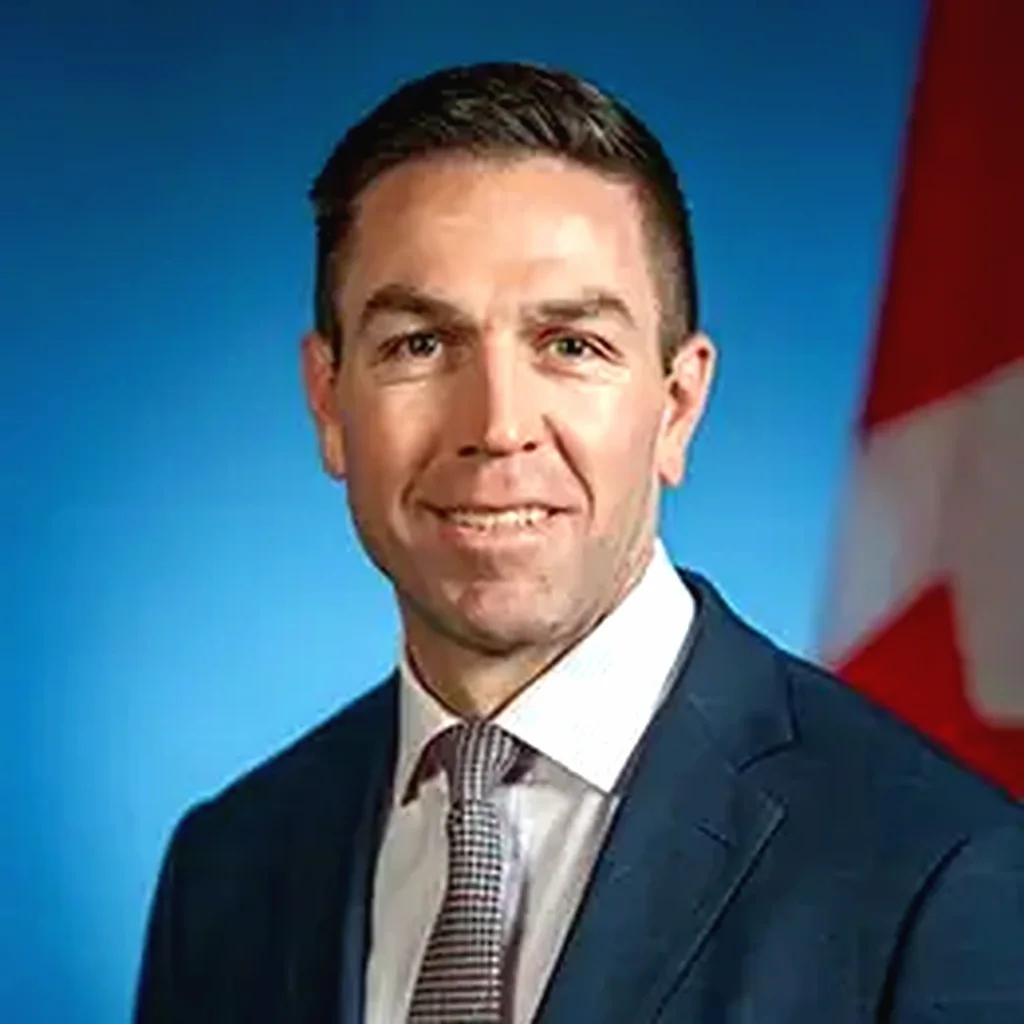
Deputy Minister of Finance
Nick Leswick
In office since January 2026
The Deputy Minister is the most senior public servant in Finance Canada. The department prepares the federal budget and the fiscal outlook, advises the minister on tax policy and drafts the legislation that sets tax rates, credits and deductions.
Nick Leswick became Deputy Minister of Finance in January 2026, after the Prime Minister's announcement of December 19, 2025. He comes from the Bank of Canada, where he was Executive Director of Policy, and he had been Associate Deputy Minister of Finance from 2021 to 2023. Earlier he was Assistant Deputy Minister of the Economic and Fiscal Policy Branch, which handles economic forecasting, the fiscal framework and the preparation of the federal budget. He has also held senior posts in Finance's International Trade and Finance Branch and at the Treasury Board Secretariat. He holds a master's degree in economics from the University of Calgary and is a Chartered Professional Accountant. He replaced Chris Forbes.
For what the current budget changes, see our Budget 2026 tax guide. For the rates that came out of earlier budgets, see 2026 federal tax brackets and rates.
Who runs the CRA and the agencies behind tax figures?
The Commissioner runs the CRA from day to day, and a Board of Management oversees how the agency is organized. Several figures on a return come from other bodies: Statistics Canada for inflation indexing, the Chief Actuary for pension and EI reports, and the Bank of Canada for the interest rate climate.
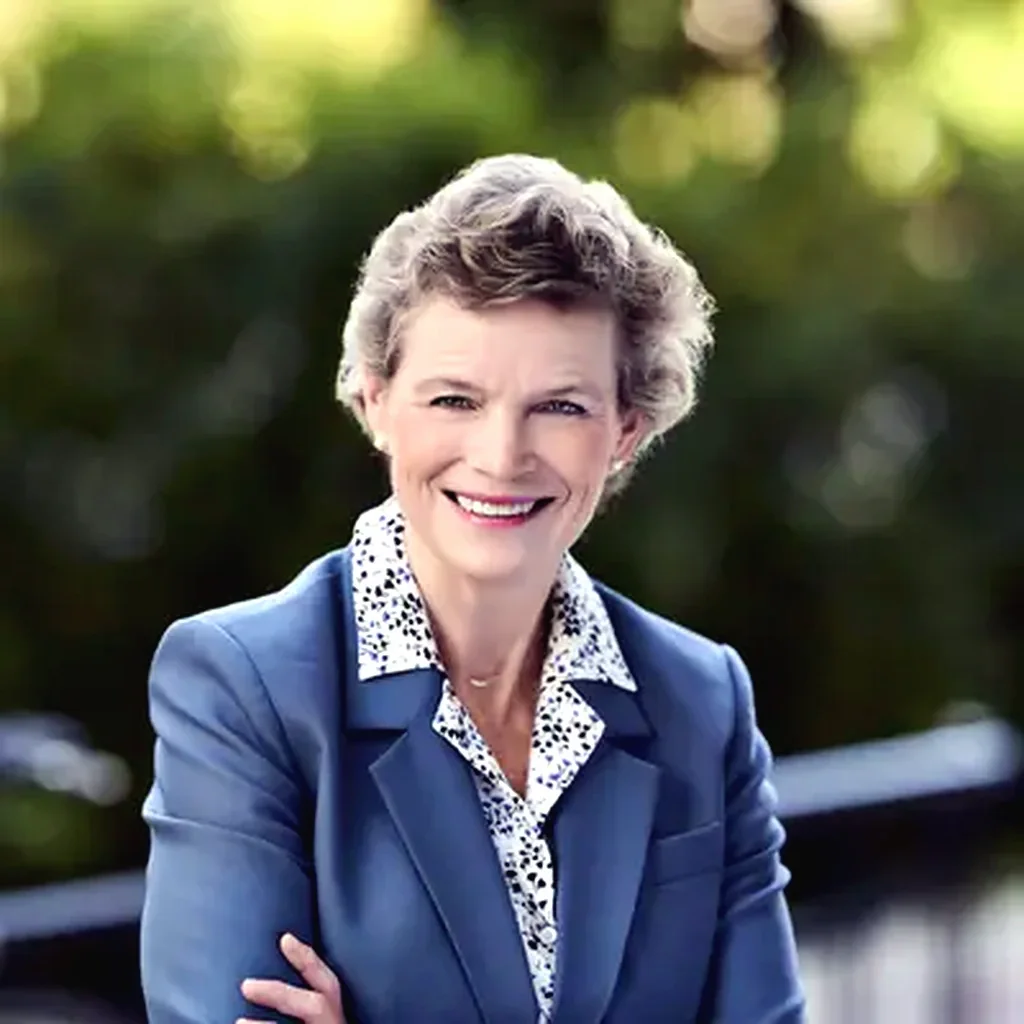
Commissioner of the Canada Revenue Agency
Heather Evans
In office since July 13, 2026
The Commissioner is the CRA's chief executive and runs it day to day: assessing returns, collecting tax and duties, auditing, answering the phones and paying benefits such as the Canada Child Benefit, while answering to the Minister and the Board of Management.
Heather Evans took over as Commissioner of the Canada Revenue Agency on July 13, 2026. Before that she ran the Canadian Tax Foundation as its Executive Director and CEO, which put her in the middle of the country's tax-policy conversation among lawyers, accountants and academics.
Her career started in tax law. She joined Deloitte Canada, became a partner in 2000 and served as National Managing Partner, Tax, from 2012 to 2016. She is a member of the Ontario Bar and has taught as adjunct faculty at Western University, Osgoode Hall Law School and the University of Toronto. For a taxpayer, the Commissioner is the person ultimately accountable for how returns are processed, how audits and collections are run and how benefit payments reach households.
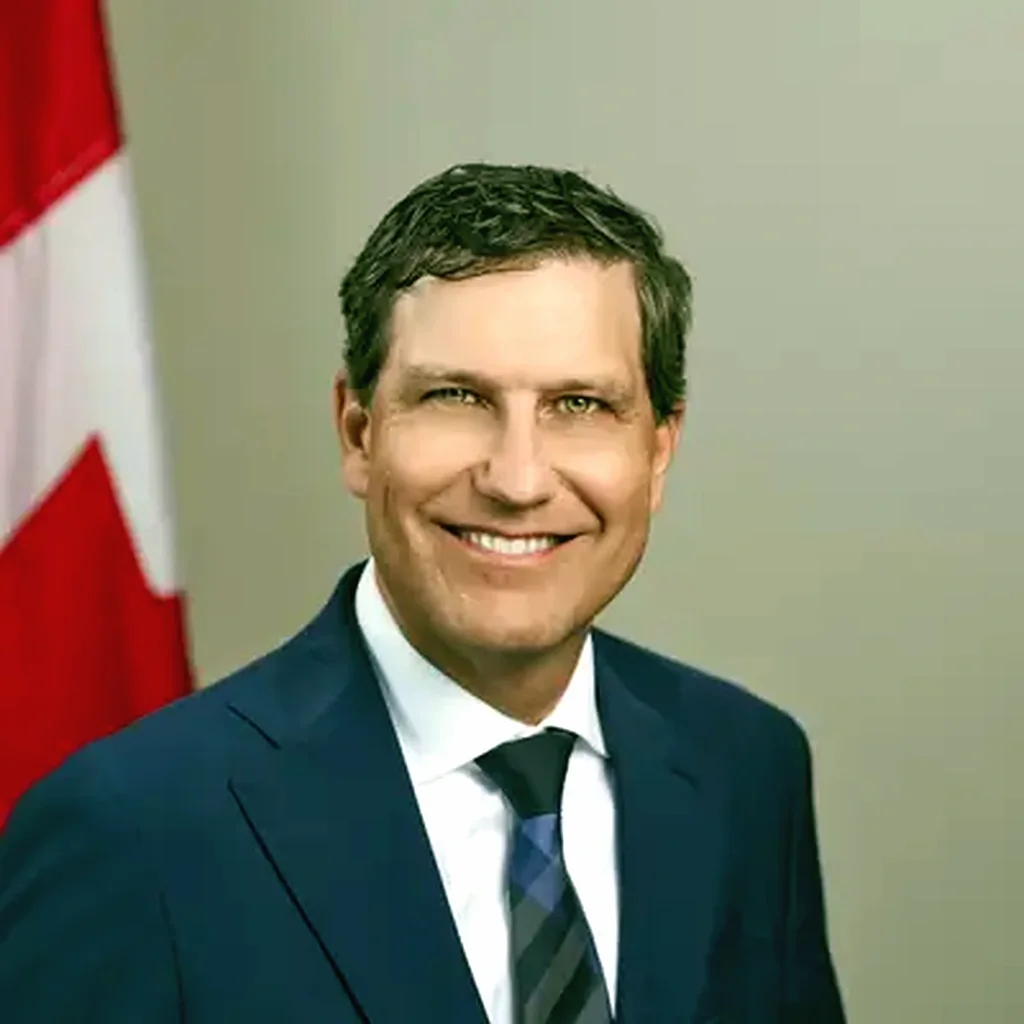
Deputy Commissioner of the Canada Revenue Agency
Jean-François Fortin
In office since May 6, 2024
The Deputy Commissioner works alongside the Commissioner on running the CRA and takes over as acting head when the top job is empty, as happened from March 31 to July 12, 2026, keeping returns, collections and benefit payments moving.
Jean-François Fortin has been the CRA's Deputy Commissioner since May 6, 2024. He is a lawyer by training, with a law degree from the Université de Montréal and admission to the Quebec Bar in 1996, and he spent years at McCarthy Tétrault as a partner in civil, commercial and professional liability litigation.
He then moved to public service: Executive Director, Enforcement, at the Autorité des marchés financiers from June 2012, and Associate Deputy Minister of Justice from March 27, 2023. When the Commissioner's seat was vacant he stepped in as Acting Commissioner, from March 31 to July 12, 2026, until Heather Evans arrived. Readers who follow CRA leadership news will see his name wherever the agency's top post changes hands.

Interim Chair, CRA Board of Management
Margie (Madhuri) Parikh
The Chair leads the Board of Management, which oversees how the CRA is organized, staffed and managed and approves its business plan. The Board has no say over how tax law is applied to any individual's file.
Margie Parikh is a corporate director from Victoria, British Columbia, and the Province of British Columbia nominated her to the CRA Board of Management. She was reappointed in February 2025 for a three-year term. The CRA's own pages now list her as Interim Chair, after the previous chair's term was due to end on August 28, 2026.
Outside the CRA she founded On Governance, an advisory practice on board effectiveness and risk oversight, and she sits on the board of LIFT Impact Partners. Earlier roles include Board Chair of MEC and of CISV International and Lead Director of the BC Energy Regulator. She chairs the board's Governance and Service Committee and sits on its Audit, Finance and Risk Committee. She holds an MBA from Columbia and a BA from UBC.

Taxpayers' Ombudsperson
François Boileau
In office since October 5, 2020
The Ombudsperson reviews service complaints about the CRA, such as long delays, unclear information or unfair treatment, and reports on systemic problems. The office cannot change an assessment or decide a tax dispute; that stays with the CRA and the courts.
François Boileau has been Canada's Taxpayers' Ombudsperson since October 5, 2020. Complaints about the CRA are his daily material, and he came to it from a career spent on oversight of public bodies. From 2007 to 2019 he was French Language Services Commissioner of Ontario, an independent officer of the provincial legislature.
Earlier he worked as legal counsel in the Office of the Commissioner of Official Languages and held several posts at the Fédération des communautés francophones et acadienne du Canada, and he was the first executive director of the Court Challenges Program of Canada. His degree is an LL.L. from the University of Ottawa (1991), and York University gave him an honorary LLD in 2025.

Governor of the Bank of Canada
Tiff Macklem
In office since June 3, 2020
The Governor leads the Bank of Canada and, with the Governing Council, sets the policy interest rate. That rate feeds into Treasury bill yields, which the CRA uses each quarter to set prescribed interest rates on overdue tax and refunds.
Tiff Macklem became Governor of the Bank of Canada on June 3, 2020, for a seven-year term, and he also chairs the Bank's Board of Directors. He is a Bank veteran: he first joined in 1984, came back in 1989, was Managing Director of Canadian Economic Analysis from January 2000, advisor to Governor David Dodge in 2003 and Deputy Governor from December 2004.
In between he served as Associate Deputy Minister at Finance Canada in 2008 and 2009, returned as Senior Deputy Governor in July 2010 and became Dean of the Rotman School of Management at the University of Toronto in July 2014. His decisions on the policy rate reach mortgage payments and savings yields, and indirectly the prescribed interest rate the CRA charges and pays.
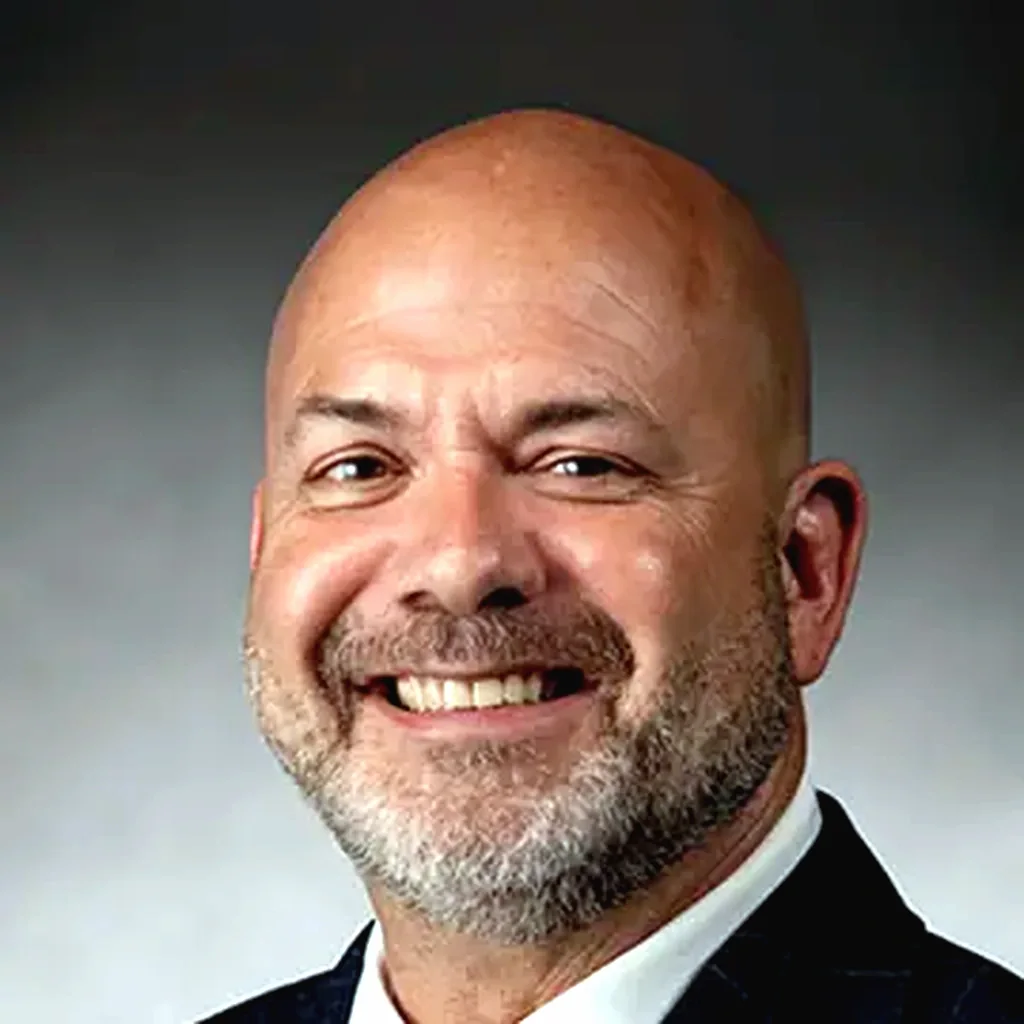
Chief Statistician of Canada
André Loranger
In office since December 20, 2024
The Chief Statistician heads Statistics Canada, which publishes the Consumer Price Index, GDP and labour data. The CPI sets the annual indexation of federal tax brackets, the basic personal amount and several benefits, so the number reaches every pay stub.
André Loranger is Chief Statistician of Canada. The government announced his appointment on December 20, 2024, for a five-year term after an open, merit-based selection, and he had been interim Chief Statistician since March 2024. He has spent 27 years inside Statistics Canada, working up to Assistant Chief Statistician for Economic Statistics and later for Strategic Data Management, Methods and Analysis, and he served as the agency's Chief Data Officer.
He was responsible for headline indicators including the Consumer Price Index and GDP. Internationally he chairs the UN Conference of European Statisticians and co-chairs the UN Network of Economic Statisticians. For tax readers his office matters because the CPI it publishes drives the yearly indexation of federal tax brackets and many credits.

Chief Actuary
Laurence Frappier
In office since October 2026
The Chief Actuary prepares independent actuarial reports on the Canada Pension Plan, Old Age Security, Employment Insurance and several public-sector pension plans, which Parliament uses to judge long-term finances and contribution rates.
Laurence Frappier was named Chief Actuary within the Office of the Superintendent of Financial Institutions, effective October 2026. She is a career actuary: about 15 years in private pension consulting, then the Office of the Chief Actuary from 2011, where she most recently led a team as Senior Director producing the reports on the Canada Pension Plan, Old Age Security and Employment Insurance.
She has a Bachelor of Science in Mathematics from the Université de Montréal and is a Fellow of both the Society of Actuaries and the Canadian Institute of Actuaries. She is also Vice-Chair of the Pensions, Benefits and Social Security Forum of the International Actuarial Association. Anyone asking why CPP contribution rates are set where they are will find the answer in this office's reports.
To reach the CRA itself, use the numbers on our CRA phone and mail page. The indexing method is explained in federal tax brackets and the indexation factor for 2027, and the EI side in EI premiums in 2027.
Who reviews tax bills and spending in Parliament?
Two committees study money bills in detail: the House of Commons Standing Committee on Finance and the Senate Standing Committee on National Finance. Two independent officers report to Parliament on the numbers. The Parliamentary Budget Officer costs proposals and the Auditor General audits how departments, the CRA included, do their work.

Chair, House of Commons Standing Committee on Finance
Karina Gould
The committee that she chairs examines the Department of Finance and the Canada Revenue Agency, holds the pre-budget consultations, and reviews budget implementation bills in detail, so changes to tax measures are often debated and amended there first.
Karina Gould is the Liberal Member of Parliament for Burlington, Ontario, and carries the title Honourable. In the 45th Parliament she chairs the House of Commons Standing Committee on Finance. The House of Commons member page also shows her as chair of the committee's Subcommittee on Agenda and Procedure and as a member of the Liaison Committee.
The chair runs the meetings at which MPs hear witnesses and vote on amendments. For a taxpayer, that means the room where a budget implementation bill, such as the Bill C-31 listed in the committee's recent business, gets its detailed review before it returns to the House. The committee page does not give the date she took the chair, so this profile does not state one.
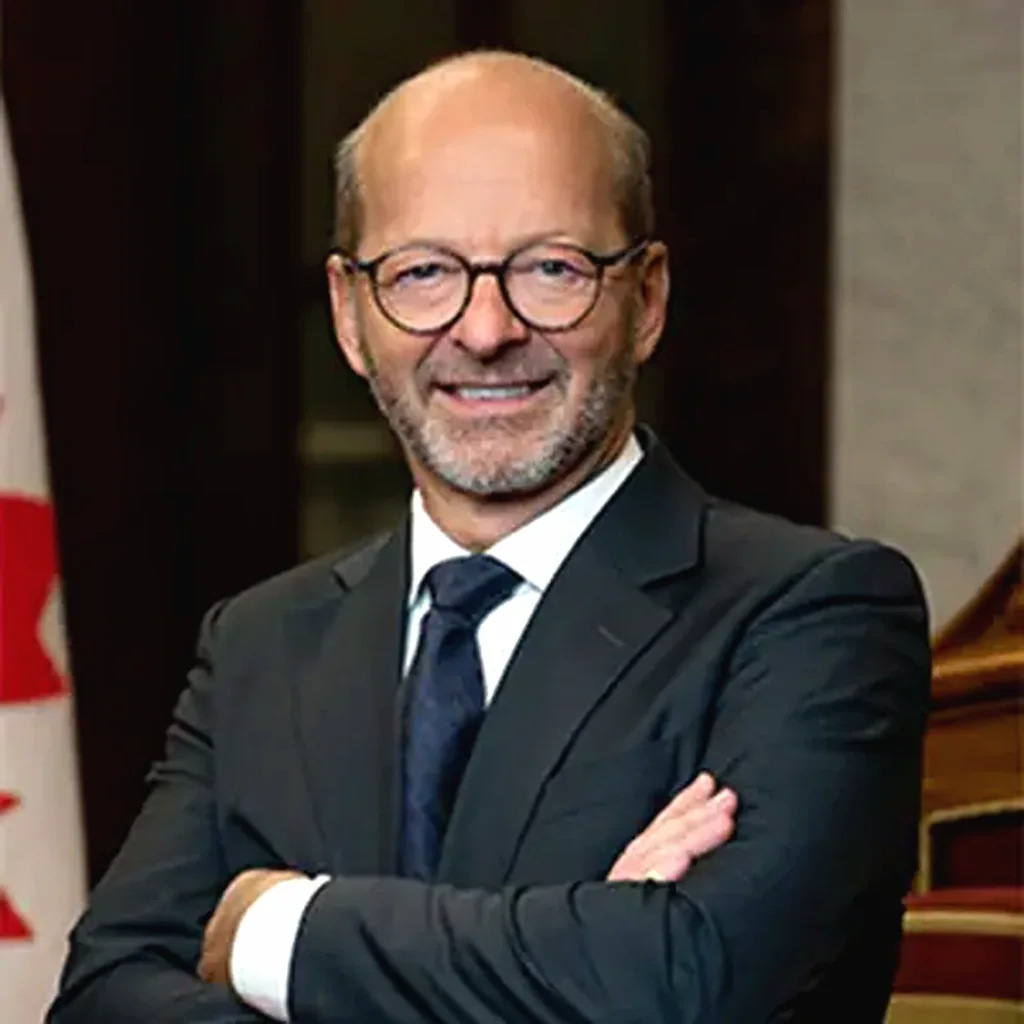
Chair, Senate Standing Committee on National Finance
Claude Carignan
The Senate committee he chairs studies the government's spending estimates and budget bills, hears officials and witnesses, and reports to the Senate, which gives tax and spending legislation a second look after the House of Commons.
Senator Claude Carignan, P.C., sits for Mille Isles in Quebec and belongs to the Conservative Party of Canada. Prime Minister Stephen Harper appointed him to the Senate on August 27, 2009. He later served as Leader of the Government in the Senate, from August 2013 until the fall of 2015, and as Leader of the Opposition in the Senate from November 2015 to March 2017.
His Senate biography now lists him as chair of the Standing Senate Committee on National Finance and vice-chair of the Subcommittee on Estimates and Committee Budgets. Readers who follow federal tax and spending news will meet his name when the Senate studies a budget bill or the supply estimates after the Commons has passed them.

Parliamentary Budget Officer
Annette Ryan
In office since April 22, 2026
The officer is an independent agent of Parliament who supplies senators and MPs with non-partisan analysis of the public finances and estimates the cost of proposals, including, before a general election, the platforms of the parties.
Annette Ryan took office as Parliamentary Budget Officer on April 22, 2026, after the House of Commons and the Senate approved her appointment. The post had been held on an interim basis by Jason Jacques since September 2025, following the end of Yves Giroux's term.
The Prime Minister's announcement describes her as a senior public servant with more than 30 years in economic analysis, fiscal policy, taxation and public finance, with leadership roles in several federal departments and in the Government of Prince Edward Island. Before this appointment she was Deputy Director and Chief Financial Officer at FINTRAC. Her term can run up to seven years. Her office publishes the economic and fiscal outlooks and the cost estimates that news stories about budgets often quote.

Auditor General of Canada
Karen Hogan
In office since June 2020
The Auditor General audits federal departments, agencies and Crown corporations, the CRA among them, and reports to Parliament on whether public money was spent as intended and whether programs work, including benefits and tax administration.
Karen Hogan was appointed Auditor General of Canada in June 2020. She is a chartered professional accountant who joined the Office of the Auditor General in 2006 and was Assistant Auditor General from January 2019. Before that she oversaw the audit of the Government of Canada's consolidated financial statements.
She began her career in private practice, as an auditor in Montreal and later as a manager in Thunder Bay and Ottawa. Her official biography notes degrees from Concordia University and membership in the professional bodies of Quebec and Ontario, and a seat on the Public Sector Accounting Board since April 2022. Audit reports signed by her cover federal programs, and the CRA has appeared in them, so tax administration findings often reach the news from her office.
Which courts decide tax disputes?
A dispute over an assessment starts with a notice of objection to the CRA. If the objection fails, the appeal goes to the Tax Court of Canada, then to the Federal Court of Appeal, and in rare cases to the Supreme Court of Canada. Judges are independent of the government and of the CRA.
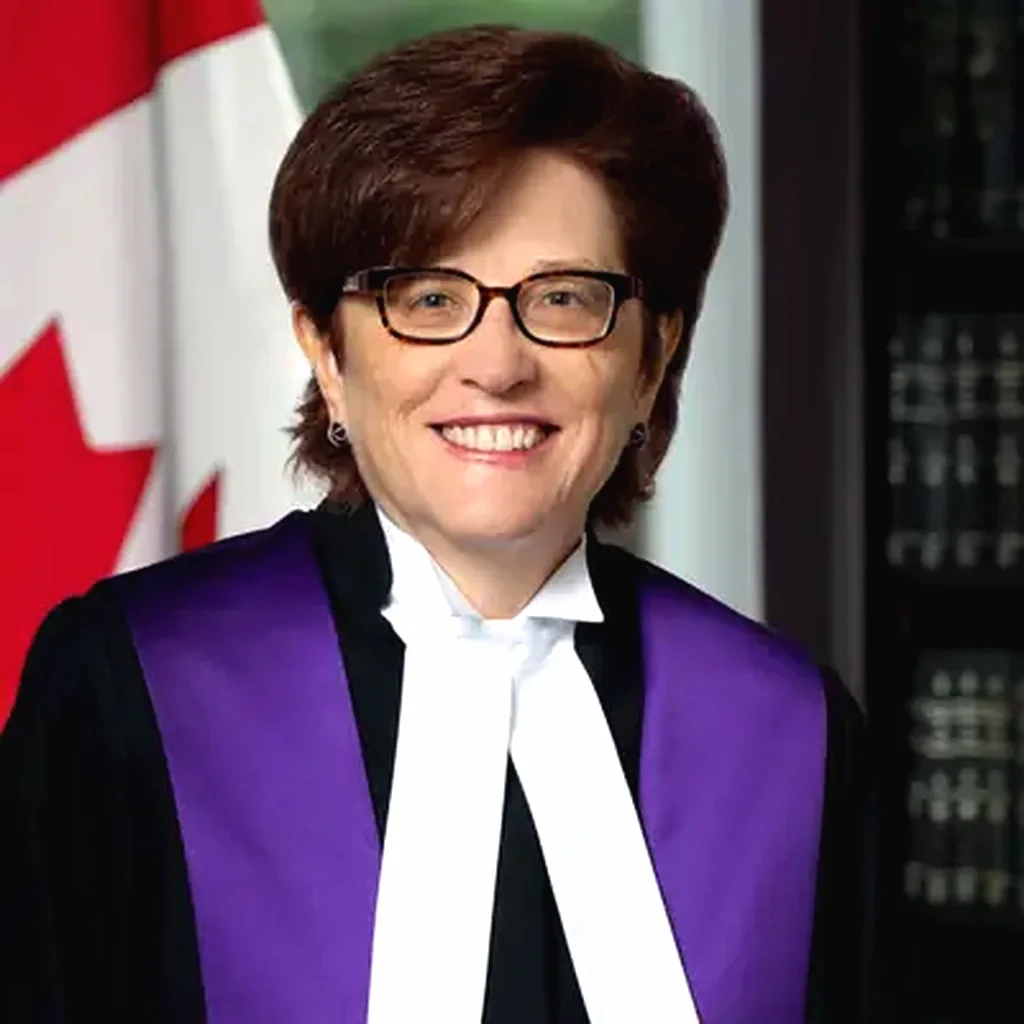
Chief Justice of the Tax Court of Canada
Gabrielle St-Hilaire
In office since June 17, 2024
The Chief Justice heads the Tax Court of Canada, which hears taxpayers' appeals against CRA assessments and decisions on income tax, GST/HST and similar matters once the objection process is finished, and she manages the court's work.
Tax law was Gabrielle St-Hilaire's subject long before she sat on the bench. She studied at the University of Manitoba and the University of Ottawa, clerked for Tax Court judges in 1991, then taught tax and corporate law at Ottawa's Faculty of Law for more than 26 years, serving as Vice-Dean of its French Common Law Program. She also worked as counsel in the Tax Litigation Section of the Department of Justice Canada from 2001 to 2003.
She was appointed to the Tax Court of Canada on December 6, 2018, and became its Chief Justice on June 17, 2024. Her biography also mentions volunteering with the Community Volunteer Income Tax Program. Rulings from her court are where many disputes with the CRA end up in public view.
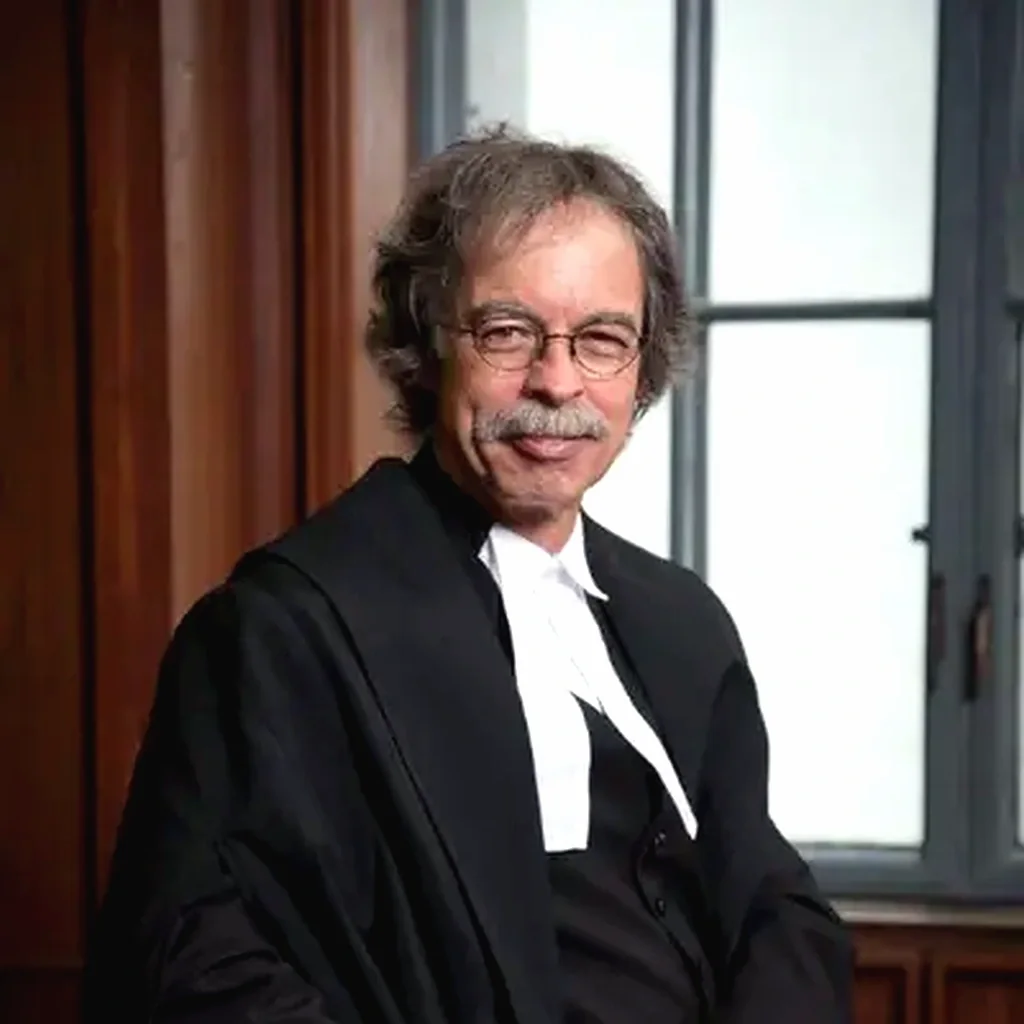
Chief Justice of the Federal Court of Appeal
Yves de Montigny
In office since November 8, 2023
The Chief Justice leads the Federal Court of Appeal, which hears appeals from the Tax Court of Canada and from the Federal Court, so it often has the final word before a tax case could reach the Supreme Court.
Yves de Montigny was born in Montreal and holds law degrees from the Université de Montréal and an M.Phil. from Oxford. He was called to the Quebec bar in 1983 and taught law at the University of Ottawa from 1982 to 1997. His public service years include the Privy Council Office, where he was Director General of Planning and Strategy, and the Department of Justice Canada, where he was Chief Legal Counsel in the Public Law Group.
He became a judge of the Federal Court on November 18, 2004, joined the Federal Court of Appeal on June 19, 2015, and was named its Chief Justice on November 8, 2023. A tax dispute that loses at the Tax Court of Canada can be appealed to his court.
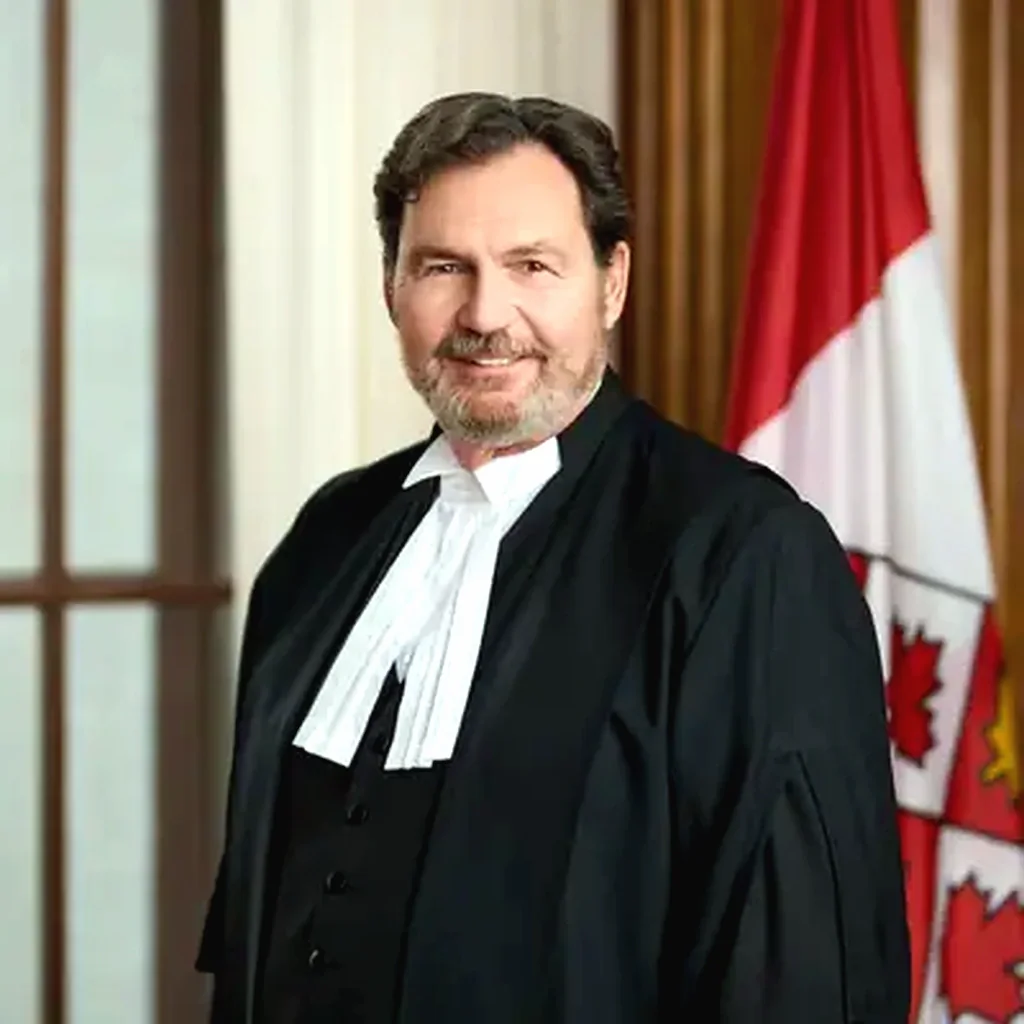
Chief Justice of Canada
Richard Wagner
In office since December 18, 2017
The Chief Justice presides over the Supreme Court of Canada, the last level of appeal, which takes a tax case only after granting leave and whose rulings on tax statutes bind the CRA and every lower court.
The Right Honourable Richard Wagner is the 18th Chief Justice of Canada. He was sworn in on December 18, 2017, after five years as a puisne judge of the Supreme Court, where he arrived on October 5, 2012. Born and raised in Montreal, he studied at the University of Ottawa and practised in Montreal from 1980 to 2004, mostly in professional liability, commercial litigation and class actions, before joining the Superior Court of Quebec in 2004 and the Quebec Court of Appeal in 2011.
He also presides over the Canadian Judicial Council and the National Judicial Institute. Under him the Court publishes plain-language Case in Brief summaries and has sat outside Ottawa.
Our guide to the notice of objection and its deadline covers the step that comes before any court.
Who sets provincial and territorial taxes?
Each province and territory has its own finance minister, who presents the provincial budget and proposes provincial income tax rates, sales tax and credits. The CRA collects provincial income tax for every province and territory except Quebec, where Revenu Québec administers Quebec income tax and Quebec residents file a second return.

British Columbia: Minister of Finance
Josie Osborne
In office since August 14, 2026
British Columbia's Minister of Finance prepares the provincial budget and fiscal plan, sets provincial tax policy such as PST and provincial income tax rates, manages government borrowing, and reports to the public on the province's revenues and debt.
Josie Osborne became British Columbia's Minister of Finance on August 14, 2026, when Premier David Eby moved her over from Health after Brenda Bailey went on leave. She has represented Mid Island-Pacific Rim in the legislature since 2020, and before that she was mayor of Tofino from 2013 to 2020. Her earlier cabinet posts include Municipal Affairs, Land, Water and Resource Stewardship, and Energy, Mines and Low Carbon Innovation.
Her mandate letter, dated the day she took the job, asks for a clear path to balanced budgets and for cost-of-living support. Taxpayers in BC will see her name on provincial budgets, tax changes and the quarterly fiscal reports.

Alberta: President of Treasury Board and Minister of Finance
Jason Nixon
In office since May 21, 2026
Alberta's finance minister, who also chairs Treasury Board, builds the provincial budget, controls how much each department may spend, sets provincial tax policy and reports on Alberta's revenues, debt and economic performance.
Jason Nixon took the oath as President of Treasury Board and Minister of Finance on May 21, 2026. Voters in Rimbey-Rocky Mountain House-Sundre first elected him on May 5, 2015, and returned him in 2019 and 2023. In cabinet he has run Environment and Parks, served as Government House Leader and held the Seniors, Community and Social Services portfolio. Before entering politics he was an entrepreneur and executive director of The Mustard Seed.
The ministry's news page carries his reactions to the federal 2026-27 budget and to new Statistics Canada figures on Alberta's economy, which makes it a useful place to follow provincial positions on tax and spending.
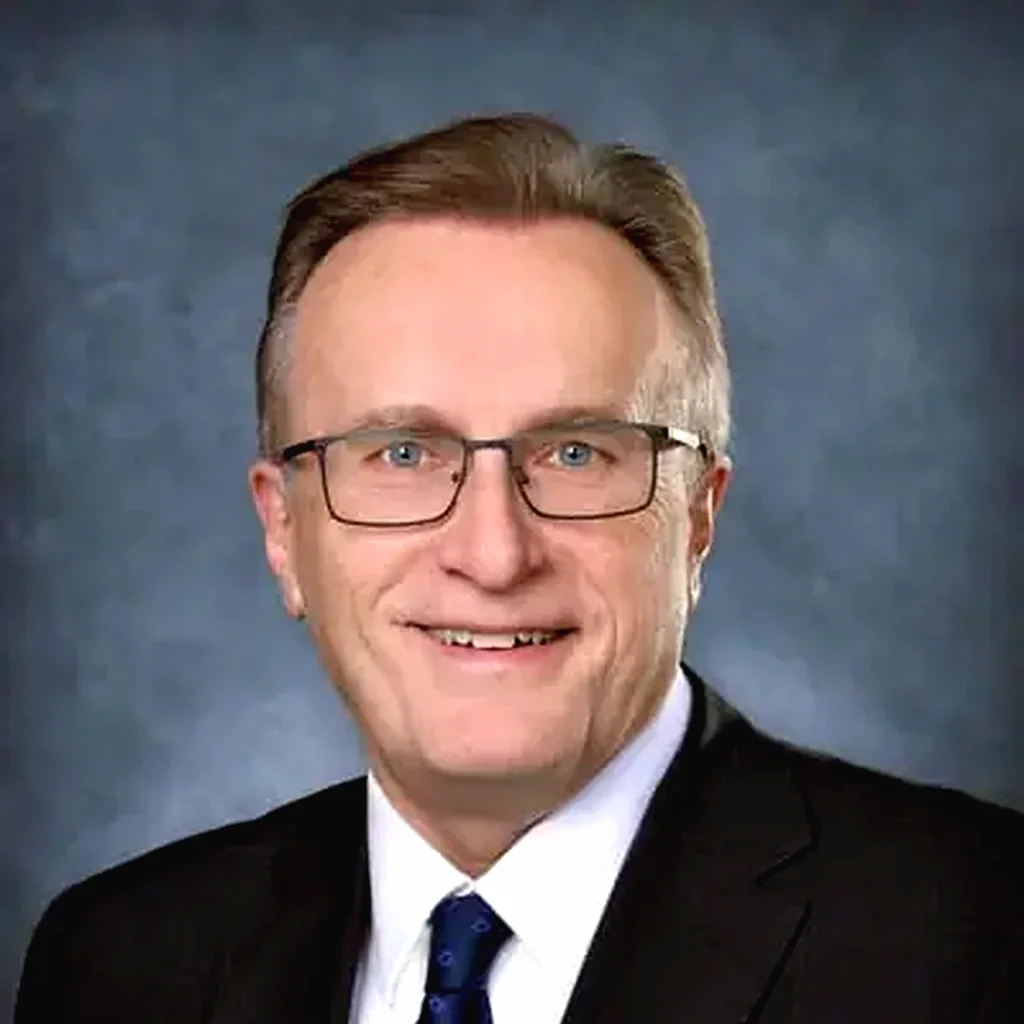
Saskatchewan: Deputy Premier and Minister of Finance
Jim Reiter
The Finance Minister of Saskatchewan prepares the provincial budget, sets tax policy including the provincial sales tax and income tax rates, manages the province's debt and reports on government revenues and spending.
Saskatchewan's Deputy Premier and Minister of Finance has been in the legislature since the 2007 provincial election, when he won Rosetown-Elrose. He was re-elected in 2011, 2016 and 2020, and in 2024 he won the redrawn seat of Rosetown-Delisle.
Jim Reiter joined cabinet in May 2009 as Minister of Highways and Infrastructure. Since then he has held a long list of portfolios, among them Health, Energy and Resources, Government Relations, and Immigration and Career Training. The official profile does not state the date he took over Finance, so none is given here. Residents who follow provincial budgets, the PST and income tax settings will find his office behind those decisions.

Manitoba: Minister of Finance
Adrien Sala
In office since October 18, 2023
Manitoba's Minister of Finance prepares the provincial budget, sets provincial tax rules, oversees government borrowing and spending, and here also answers for Manitoba Hydro, the Public Utilities Board and the provincial public service.
On October 18, 2023, Adrien Sala was sworn in as Manitoba's Minister of Finance and Minister responsible for Manitoba Hydro. His portfolio today also covers the Public Utilities Board and the Manitoba Public Service.
He lives in the St. James neighbourhood of Winnipeg with his family. St. James is also the area he has represented in the legislature since he was first elected in 2019, and voters sent him back in 2023.
The mix of duties is worth noting for a reader of tax news. The same minister who tables the provincial budget is also answerable for the electricity utility and for the regulator that reviews its rates, so a budget item and a power-bill story can trace back to one office.
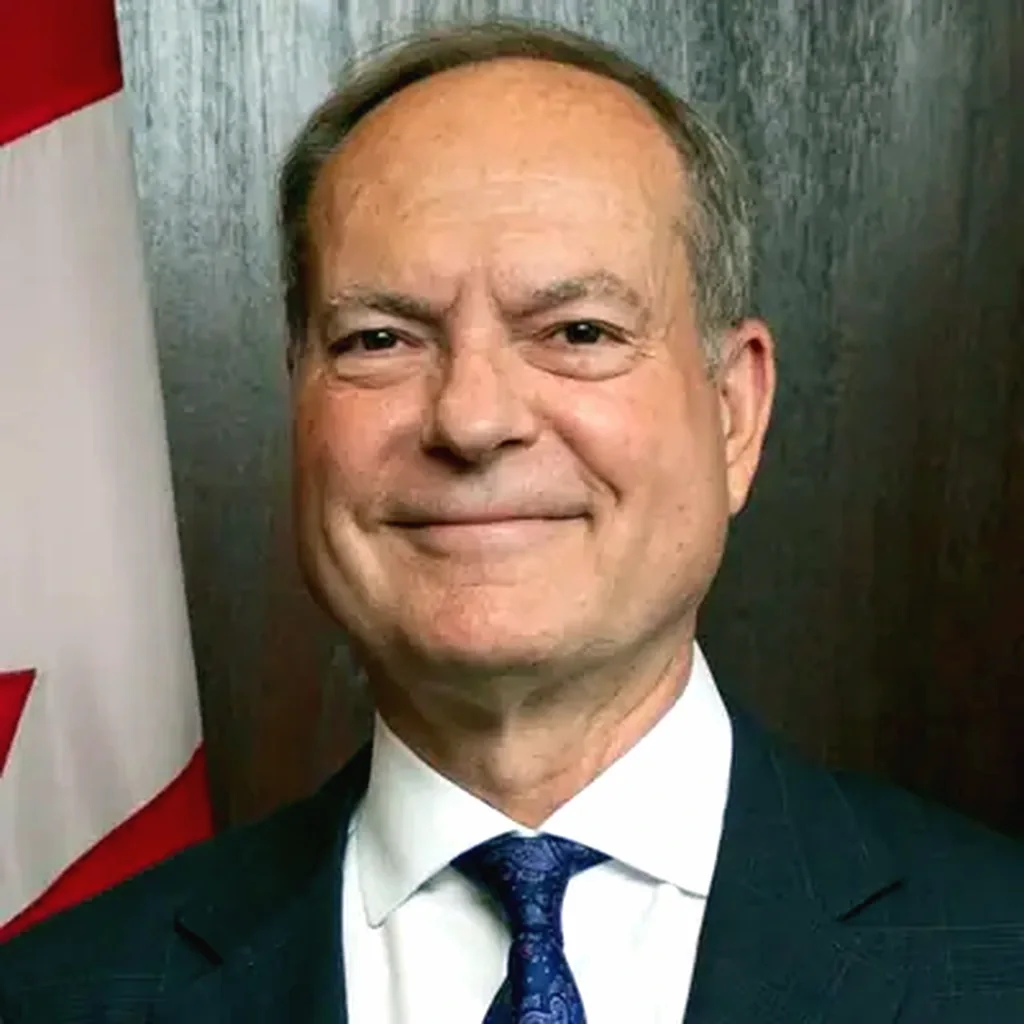
Ontario: Minister of Finance
Peter Bethlenfalvy
In office since December 31, 2020
The Ontario Minister of Finance leads the province's fiscal, tax and economic policy, administers provincial tax and benefit programs, and reports to the public on Ontario's economic and fiscal plans through the budget and fall statement.
Ontario's Minister of Finance since December 31, 2020 is Peter Bethlenfalvy, the PC member for Pickering-Uxbridge. He first won that seat in the June 7, 2018 election and kept it in 2022 and 2025. His finance mandate was renewed on March 19, 2025, after the latest election.
Two stretches as President of the Treasury Board bracket his career in cabinet: from June 29, 2018 to June 18, 2021, and again from June 5 to September 10, 2026. The 2026 fall economic statement, dated October 29, 2026, carries his signed foreword.
For anyone tracking Ontario taxes, his office issues the budget, the fall statement and the province's tax and benefit programs administered by the ministry.

Quebec: Minister of Finance
Nicolas Marceau
In office since October 21, 2026
Quebec's Minister of Finance prepares the provincial budget, sets Quebec's own income tax and sales tax policy, manages the province's borrowing and reports on public finances, working alongside Revenu Quebec, which collects the taxes.
Nicolas Marceau returned to the finance portfolio in Quebec on October 21, 2026, a little over two weeks after the general election of October 5, which he won as Member for Marie-Victorin. He is also the minister responsible for infrastructure, vice-chair of the Comite des priorites and a member of the ministerial economic committee.
It is not his first term at Finance. From September 19, 2012 to April 23, 2014 he was Minister of Finance and the Economy, and during those years he sat for Rousseau, a seat he first won in a by-election on September 21, 2009.
Quebec collects its own income tax, so his decisions reach taxpayers directly through the budget and the province's tax rules.
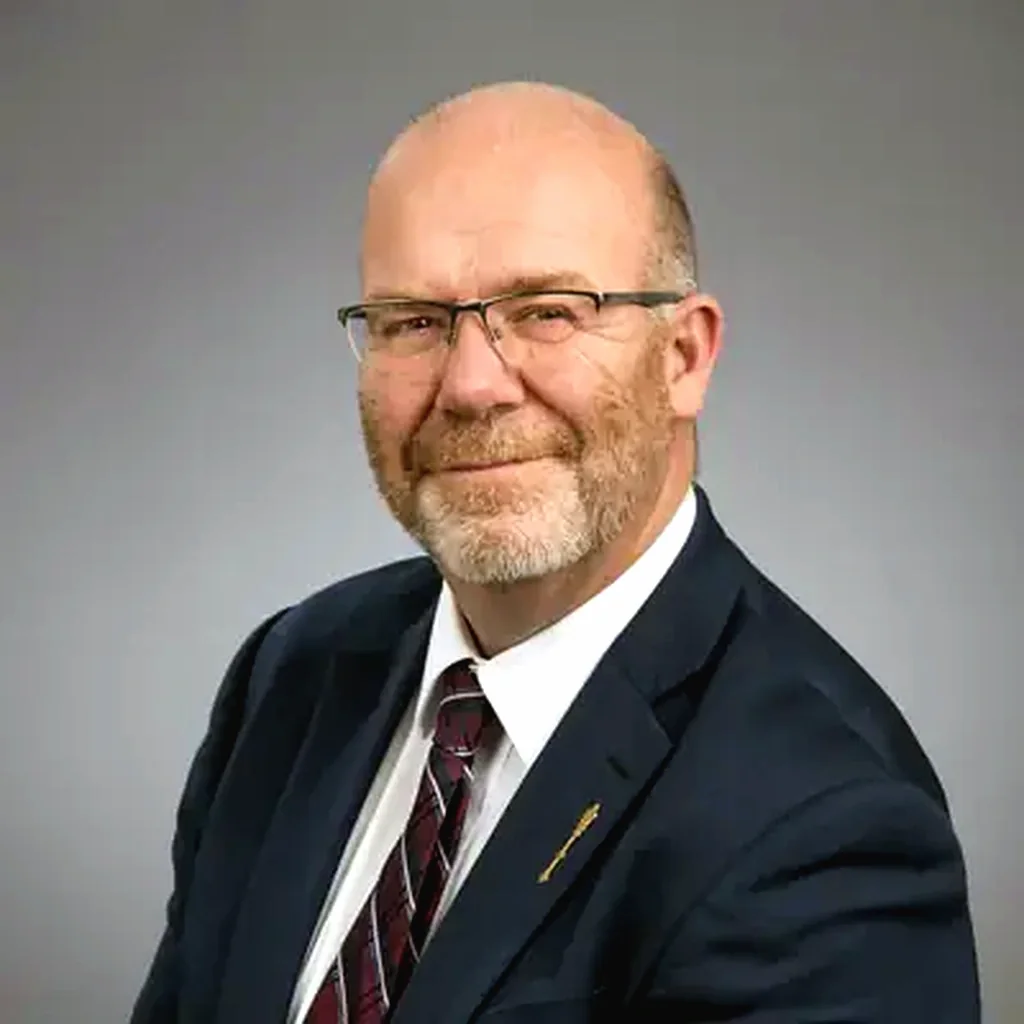
New Brunswick: Minister of Finance and Treasury Board
René Legacy
New Brunswick's Minister of Finance and Treasury Board prepares the provincial budget, sets provincial tax policy, controls government spending through Treasury Board and reports on the province's revenues, borrowing and debt.
Before politics, René Legacy spent more than 25 years in finance, mostly in executive roles with the Caisses populaires acadiennes, later renamed UNI Coopération Financière. He was born and raised in Bathurst, and he has led several local and regional bodies, including the Northern New Brunswick Airport Authority, Enterprise Chaleur and the Chaleur Regional Hospital Foundation's $5 million capital campaign.
He won Bathurst West-Beresford in 2020 and was re-elected in 2024 in the redrawn riding. The legislature's profile lists him as Deputy Premier, Minister of Finance and Treasury Board, and Minister of Energy. The date he took the finance post is not given there, so it is left out. New Brunswick taxpayers deal with his office for the budget and provincial tax rates.
Nova Scotia: Minister of Finance and Treasury Board
John Lohr
In office since December 12, 2024
Nova Scotia's Minister of Finance and Treasury Board prepares the provincial budget and its in-year updates, sets provincial tax policy, oversees government spending and borrowing, and publishes the public accounts.
John Lohr has held the Nova Scotia finance file since December 12, 2024, when the department's title was extended to include Treasury Board. He sits for Kings North, a seat he first won on October 8, 2013, and his current term began on November 26, 2024.
On February 23, 2026 he tabled Budget 2026-27, titled Defending Nova Scotia, and on September 24, 2026 he presented the first budget update of that fiscal year at a news conference. Those two dates are the points in the year when provincial revenue, spending and the deficit picture are laid out for the public. Reading his announcements is a straightforward way to follow what changes for Nova Scotia taxpayers.
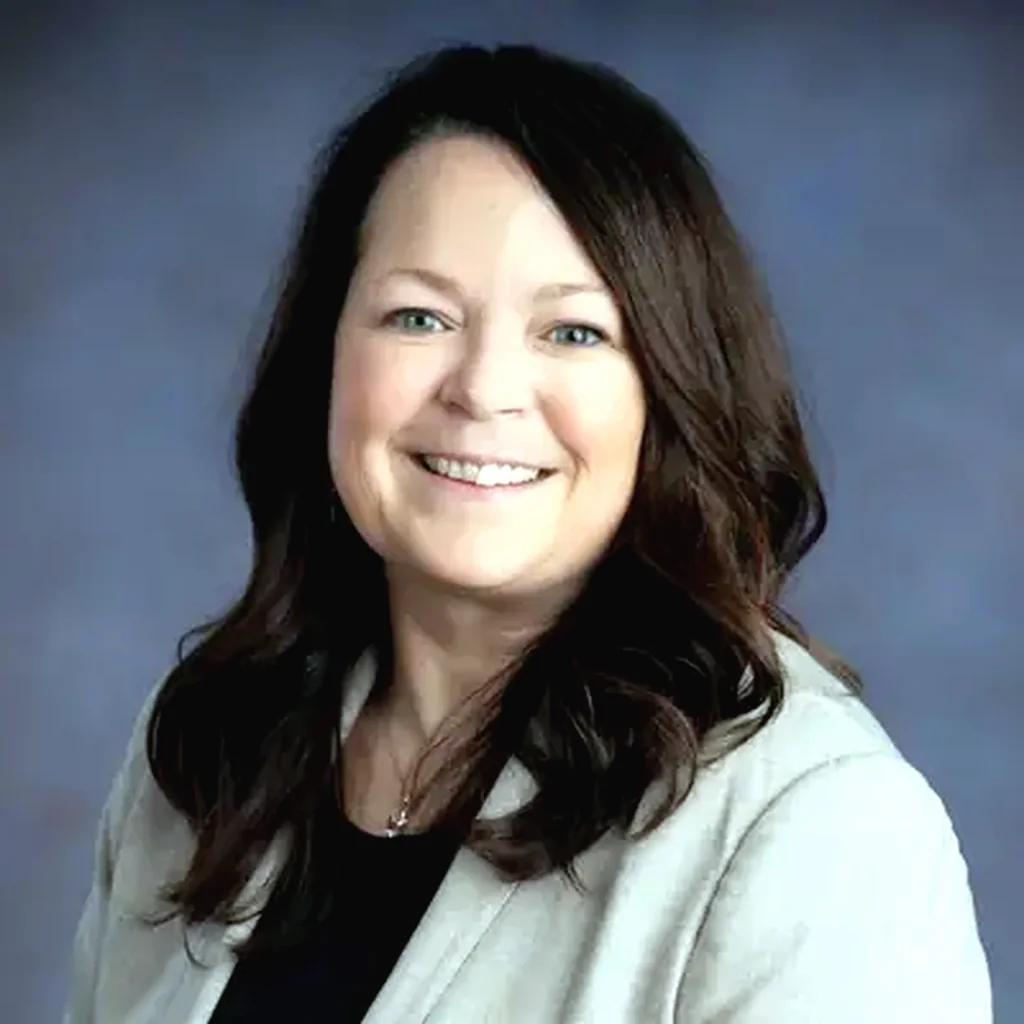
Prince Edward Island: Minister of Finance
Jill Burridge
In office since 2023
The Minister of Finance presents Prince Edward Island's budget, sets provincial tax rates and credits, and oversees government borrowing, which shapes the provincial part of the income tax Islanders pay on their combined CRA return.
Jill Burridge has been Prince Edward Island's finance minister since the 2023 cabinet formed under Premier Dennis King, and she kept the portfolio when Bloyce Thompson was sworn in as the 35th premier on December 12, 2025. The government's announcement of that cabinet lists her as Minister of Finance.
For a taxpayer, her department prepares the provincial budget, sets provincial tax rates and manages the province's borrowing. Islanders file one combined return with the Canada Revenue Agency, so changes she announces to provincial income tax or credits reach people through their ordinary federal filing. Her title has been reworded in some earlier cabinet announcements, so check the current cabinet page before quoting it.
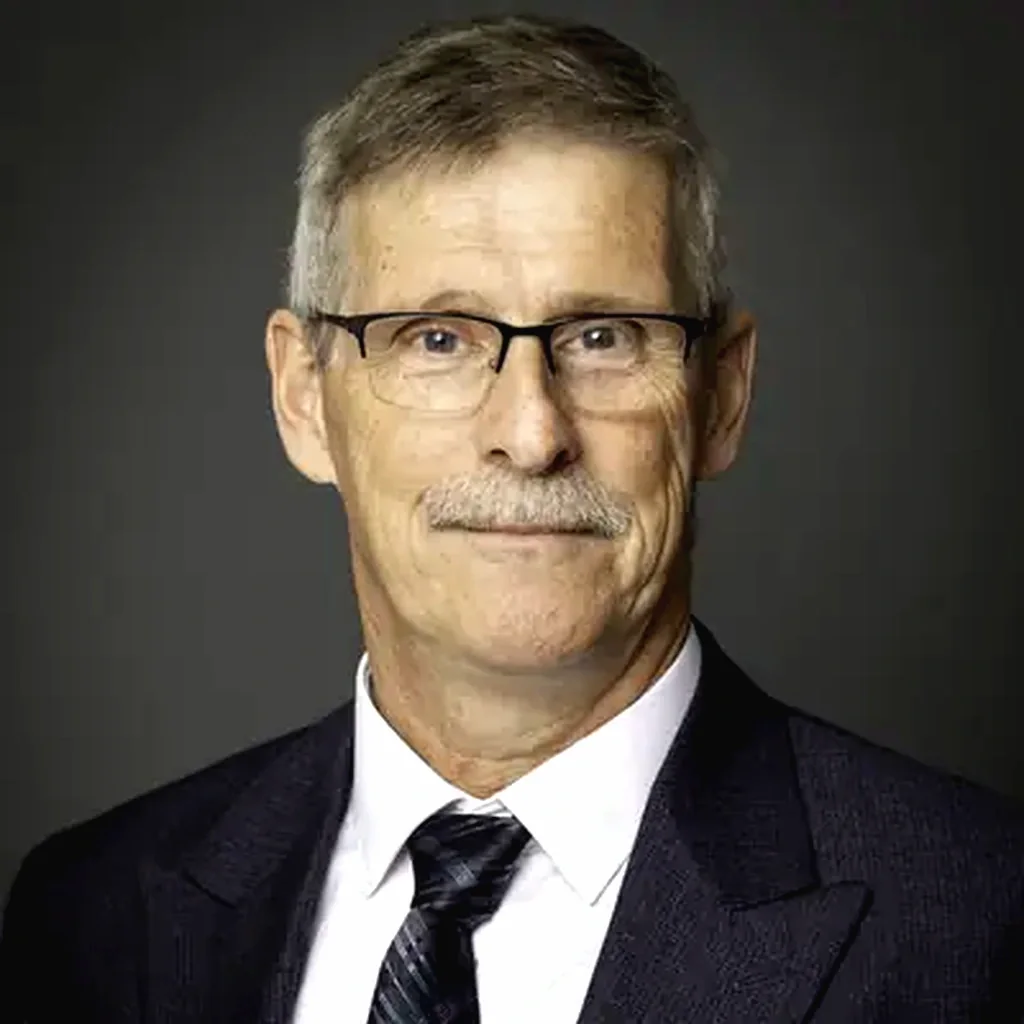
Newfoundland and Labrador: Minister of Finance and President of Treasury Board
Craig Pardy
In office since October 29, 2025
The Minister of Finance and President of Treasury Board prepares the provincial budget, controls government spending and sets provincial tax policy in Newfoundland and Labrador, which affects the provincial share of income tax, sales tax and fees residents pay.
Before politics, Craig Pardy spent three decades in classrooms, from 1983 until 2013, finishing as principal of Clarenville Middle School. He then moved into local government, first chairing the Milton-George's Brook Local Service District and later serving as the first mayor of the town of Milton-George's Brook, from 2018.
Voters in Bonavista sent him to the House of Assembly on May 16, 2019. When Tony Wakeham's Progressive Conservative cabinet was sworn in on October 29, 2025, Pardy became Minister of Finance and President of Treasury Board, and he also holds the seniors portfolio. Provincial budgets, spending controls and tax measures in Newfoundland and Labrador run through his office.
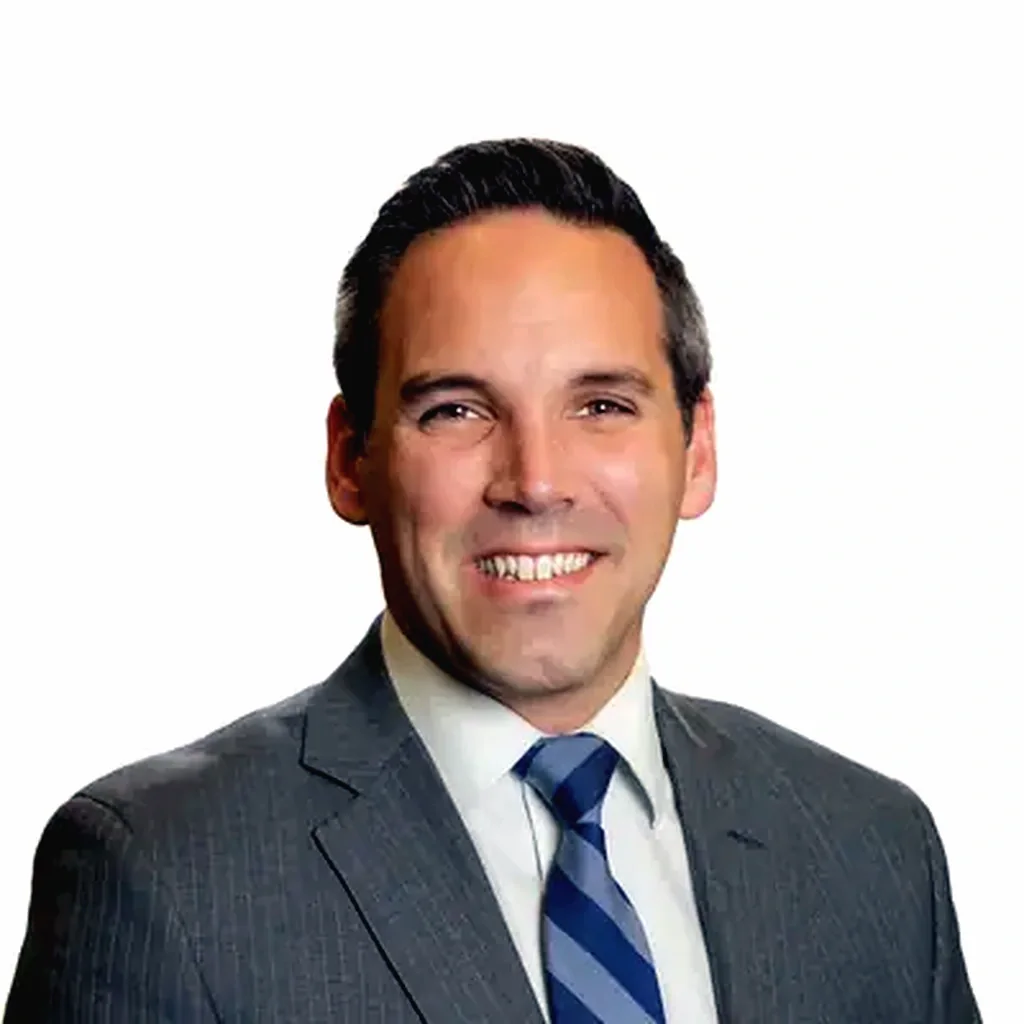
Yukon: Premier and Minister of Finance
Currie Dixon
In office since November 22, 2025
The Premier and Minister of Finance sets Yukon's budget and tax policy, answers for the territory's public accounts and debt limit, and works with Ottawa on funding, while the CRA administers Yukon's income tax.
Currie Dixon leads the Yukon government in two roles at once: he is Premier and also keeps the finance portfolio. He represents Copperbelt North, was elected on November 3, 2025, when the Yukon Party won 14 of 21 seats, and was sworn in as the territory's 12th premier on November 22, 2025.
Because he holds both offices, the budget, the Public Accounts and the territory's borrowing limit come from the same desk. His department tabled the 2025-26 Public Accounts on October 28, 2026, and he commented on the federal budget on November 9, 2026. Yukon personal and corporate income tax is administered by the CRA, so most residents deal with his decisions through their federal return.
Northwest Territories: Minister of Finance
Caroline Wawzonek
In office since December 2023
The Minister of Finance prepares the Northwest Territories budget, manages territorial borrowing and tax measures, and negotiates funding with Ottawa, which shapes the territorial payroll, fuel and other taxes residents and businesses pay.
Caroline Wawzonek came to territorial politics from the courtroom. She ran her own criminal law practice in the Northwest Territories, appearing at every court level and on circuit, then spent time in general litigation before becoming a candidate for the 19th Legislative Assembly.
She was first elected for Yellowknife South in 2019 and acclaimed for a second term in 2023. Premier R.J. Simpson's cabinet named her Minister of Finance and Deputy Premier in December 2023, and in March 2025 she also took the strategic infrastructure, energy and supply chains file. Her department prepares the territorial budget and the tax rules that apply alongside federal ones in the North.
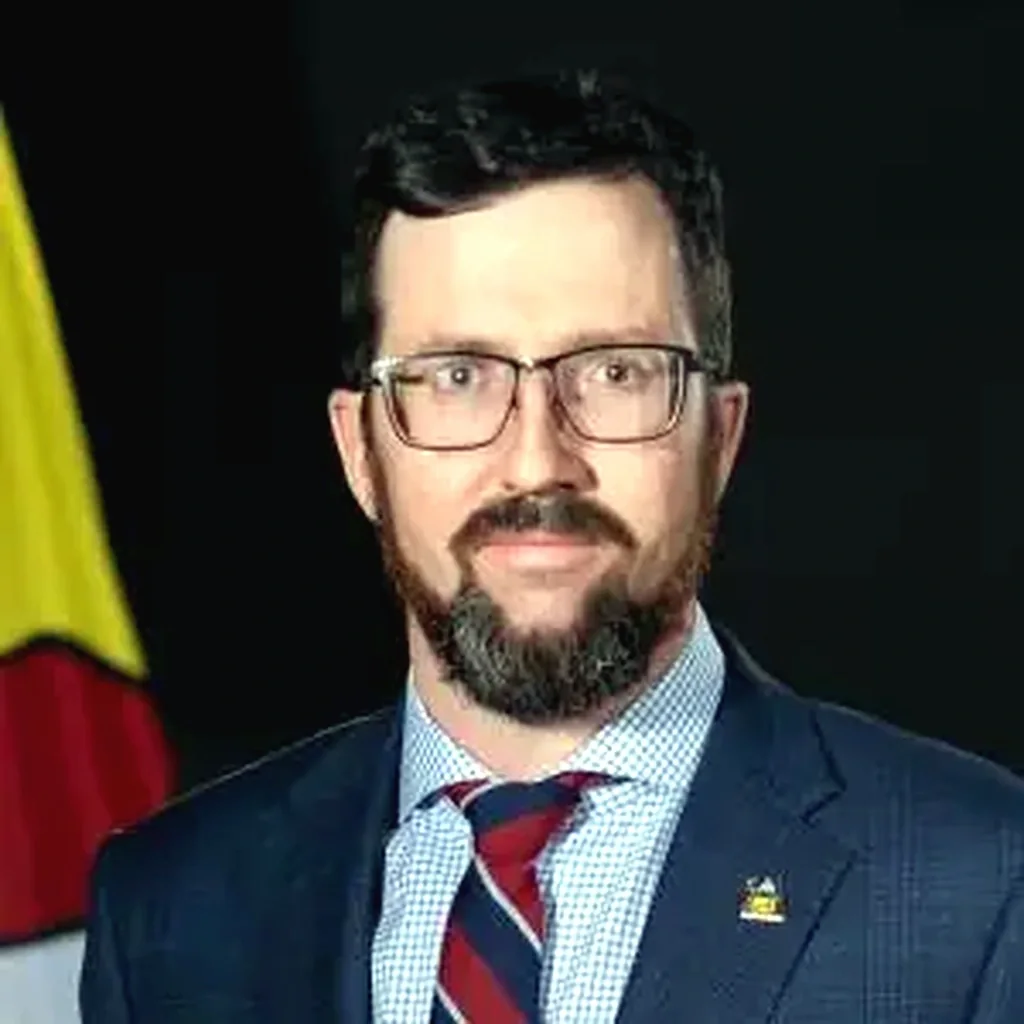
Nunavut: Premier and Minister of Finance
John Main
In office since November 20, 2025
The Premier and Minister of Finance leads the Government of Nunavut and also sets its budget and borrowing, and negotiates federal transfers that cover most of the territory's spending and shape the territorial taxes residents and businesses pay.
John Main became Nunavut's seventh premier in November 2025. MLAs chose him at the Leadership Forum on November 18 and he took the oath two days later, on November 20, in Iqaluit. He sits for Arviat North-Whale Cove, a seat he first won in 2017 and held in 2021 and 2025, and he is the first non-Inuk premier of the territory.
The Premier's office lists the finance portfolio among his own, next to Executive and Intergovernmental Affairs, Indigenous Affairs, Immigration and Seniors. That puts the territorial budget, borrowing and the funding talks with Ottawa under the same minister who leads the government.

Quebec, tax administration: President and Chief Executive Officer, Revenu Québec
Éric Maranda
In office since October 30, 2025
The President and CEO of Revenu Québec leads the agency that administers Quebec's income tax, QST and other provincial taxes, handles audits, collection and taxpayer disputes, and also administers GST/HST for Quebec businesses on behalf of the federal government.
Éric Maranda runs Revenu Québec, the agency that collects Quebec's income tax, QST and other provincial levies, and also administers the province's GST on behalf of Ottawa. He is a long-serving member of the organisation: coverage of the government appointment says he joined in 1995 and was a vice-president and director general of businesses before moving to the top job.
The Council of Ministers named him interim president and CEO from July 2, 2025, after Christyne Tremblay left to become deputy minister of Finance. The permanent appointment took effect on October 30, 2025, with a mandate that ends on October 29, 2030, according to the agency's board page.
Rates for each jurisdiction are on our taxes by province and territory pages, and the Quebec system is explained in how Quebec taxes differ.
How does a tax change become law?
A federal tax change moves through the same five steps almost every time.
- The Minister of Finance announces the measure, usually in the budget or a fall economic statement.
- The minister tables a notice of ways and means motion in the House of Commons. No tax bill can be introduced without one.
- A bill based on the motion goes through three readings in the House, with study by the Standing Committee on Finance, and then through the Senate.
- The Governor General gives royal assent and the bill becomes law.
- The CRA administers the law. It updates forms, guides and payroll tables, and applies the rule when it assesses returns.
A measure can be announced long before it is enacted, so check its status before you plan around it. Our Budget 2026 page separates proposals from enacted law, Canadian tax brackets by year shows the rates that passed, and my tax year lists the CRA dates that follow from them.
How do we keep this list current?
Every name on this page was read on the linked official page on November 16, 2026. Nothing here comes from memory or from news reports. If we cannot confirm a name on an official page, we leave the office without one.
We recheck the list after a federal or provincial election, a cabinet shuffle, or a new appointment at the CRA, a court or an agency of Parliament. The "Updated" line at the top shows the date of the last check. If you spot a name that has changed, our corrections policy explains how to tell us, and official government websites lists where to confirm tax facts yourself.
Frequently asked questions
Who is the Minister of Finance of Canada in 2026?
François-Philippe Champagne is Minister of Finance and National Revenue. That is the title shown on the Prime Minister's cabinet page and on the Department of Finance page when we checked on November 16, 2026.
Who is the minister responsible for the CRA?
The Minister of Finance and National Revenue, François-Philippe Champagne, answers to Parliament for the Canada Revenue Agency. Wayne Long is Secretary of State (Canada Revenue Agency and Financial Institutions). The CRA lists both on its "Who we are" page.
Who is the head of the Canada Revenue Agency?
Heather Evans is Commissioner of the CRA. The agency says her appointment took effect on July 13, 2026. Jean-François Fortin is Deputy Commissioner and was Acting Commissioner from March 31 to July 12, 2026.
Who decides federal income tax rates?
Parliament does, by passing a bill that the Minister of Finance introduces after a ways and means motion. The CRA applies the rates and has no power to set them. Bracket thresholds also rise each year with the Consumer Price Index.
Where do I complain about the CRA?
Service complaints, such as delays or wrong information, can go to the Taxpayers' Ombudsperson. A disagreement about the amount of tax is different: it goes through a notice of objection and then the Tax Court of Canada.
Is Tax-Services.ca connected to the CRA or to anyone on this list?
No. Tax-Services.ca is an independent information site. It is not affiliated with any government body or person listed here, and none of them writes, reviews or endorses this site.
Who is the Auditor General of Canada?
Karen Hogan has been Auditor General since June 2020. She is a chartered professional accountant and her office reports to Parliament on how federal departments and agencies, the CRA included, spend public money.
Who is the Governor of the Bank of Canada?
Tiff Macklem, who took the job on June 3, 2020. The Bank sets the policy interest rate, and that rate feeds into the prescribed interest rates the CRA publishes each quarter.
Who is the Parliamentary Budget Officer?
Annette Ryan has held the post since April 22, 2026. The office costs budget measures and tax proposals for MPs and senators, independently of the government.
Who is the Chief Justice of the Tax Court of Canada?
Gabrielle St-Hilaire, in the role since June 17, 2024. The Tax Court hears appeals of CRA assessments once a notice of objection has run its course.
Who is Ontario's Minister of Finance?
Peter Bethlenfalvy. He has led Ontario's finance ministry since December 31, 2020 and was reappointed on March 19, 2025. The CRA collects Ontario personal income tax on the province's behalf.
Who is the Chief Statistician of Canada?
Andre Loranger, appointed on December 20, 2024. Statistics Canada publishes the Consumer Price Index, which drives the yearly indexing of federal tax brackets and many credits.
Who runs Revenu Quebec?
Eric Maranda is President and Chief Executive Officer of Revenu Quebec, the agency that administers Quebec income tax and the Quebec sales tax for the province.